We strive to educate each patient on all possible treatment options and help make informed choices.
We commit providing cost effective management.
When decision making short term and long term factors will be considered of each treatment intervention.
We will help each patient to the best of our ability, refer, read up or discuss the condition with colleagues when needed.
We will always respect patient confidentiality.
We strive to prevent further injury and re-injury through comprehensive assessment and management procedures.
We will support coaches,
medical staff and players with sound communication, decision making,
management and recommendations regarding injured players.
We will refer patients to other practitioners if required to ensure optimal long term results.
We will share our knowledge with our colleagues.
We will attend courses to broaden our clinical knowledge.
We
respect patient confidentiality and will only discuss problems with the
person involved and will not discuss the person involved as a problem.
We will help each other to grow to our full potential in order to achieve our personal goals.
With
these values we strive to make peace, joy, love, friendliness,
faithfulness, gentleness, humbleness and self-control a part of our
daily work environment.
© 2017 Floyd Lebatie Physiotherapy. All rights reserved | Crafted by Rev
Do we accept medical aid?
At Floyd Lebatie Physiotherapy we require our patients to make payments immediately after each session. We will provide you with an invoice which the patient can then submit to their respective medical aids. Please remember you are fully responsible for all fees charged by this office, regardless of your Medical Aid coverage. Any charges not paid are subject to collection and you will be responsible for all costs of collection brought by this office against you, including interest and attorney fees provided by law. It is your responsibility to ensure that your Day-to-Day funds are sufficient as payment will be deducted from this by your scheme. In the case of a PMB diagnosis, it is possible to have it deducted from your hospital plan, but there is no guarantee, and the procedure to achieve this will need to be discussed by you, with your medical aid.
Which methods of payments are accepted?
We accept cash, debit card, credit card and Snapscan payments.
How long after an injury should I wait to get treatment?
In general, the longer you wait to get treatment, the longer it will take to fix the injury. Newly injured tissues will be more sensitive to touch, but immediate treatment will help ensure a faster return to normal pain-free activity.
As a new patient what should I bring?
Please note that all of our practitioners are first line practitioners therefore do not require a referral letter in order assess and manage patients. If you have been referred by a healthcare practitioner please bring any of the following documents if in your possession:
• Referral letter
• Imaging (X-ray, CT Scan, MRI, etc)
• List of all current medication
We'd be very happy to hear from you:
Email: info@floydphysio.co.za
Monday - Friday: 7am - 6pm
Saturday: Closed
Sunday - Friday:
Closed
Email: info@floydphysio.co.za
Monday - Friday: 7am - 6pm
Saturday: Closed
Sunday - Friday:
Closed
Email: info@floydphysio.co.za
Monday - Friday: 7am - 6pm
Saturday: Closed
Sunday - Friday:
Closed
Do I need a referral to receive treatment?
All of the practitioners at Floyd Lebatie Physiotherapy are first line
practitioners therefore you do not require a referral letter to receive any services at Floyd Lebatie Physiotherapy.
How many treatments will I need until I am feeling 100% again?
This is always a tricky question, because it varies with every patient, and it dependents on a large number of factors. Pain and dysfunction that has been present for a long time will usually, but not always, take longer to fix than more recent/acute problems. In general, it is rare that we need more than 6-8 treatments for the average patient, and quite often 2-4 treatments are all that is needed. However, it must be noted that we treat every patient as an individual hence the number of treatments are variable.
What time should I arrive?
Please arrive 15 minutes prior to your appointment to ensure you have sufficient time to complete documentation regarding personal details, medical aid details and medical history details. This will ensure you that your healthcare
practitioner is able to spend maximal time with you on a one on one basis with comprehensive information.
What must I do if I am under the age of 18 and would like an appointment?
A parent or guardian must complete a consent form for all patients under the age of 18 years of age prior to the first consultation.
What is the cancellation policy?
Since your appointment is time especially reserved for you. If you cannot keep your appointment, please notify the practice 24 hours prior. This will enable us to accommodate someone who has been waiting for an appointment. If you
don’t let us know 24 hours prior to the appointment you will be charged in full.
Will I have to stop participating in my sport/exercise routine while I am getting treatment?
Occasionally this is a necessary move to allow for the most rapid and full recovery, but in our clinic it is very rare. We pride ourselves on getting our patients back to their loved activities extremely quickly. After all, we can’t
say that you’re “fixed” until you can do the things you want without pain, right?
Do you only treat athletic injuries?
No, although we are known for providing rapid recovery of injuries (which tends to be very popular among athletes). We have just as many patients who come to us with chronic pain and long-term issues. We manage any musculoskeletal
condition from head to toe within our scopes of practice.
Qualified
at The University of the Witwatersrand with a BSc (Physiotherapy)
Honours Degree in 2010 and later obtained the coveted SPT (Sports
Physiotherapy) Certification in 2012. Floyd has a massive passion for
sports and the positive influence it has on the lives of people as a
whole. Floyd’s primary patient population group and area of interests
are athletes with orthopaedic &/or sports injuries.
Floyd
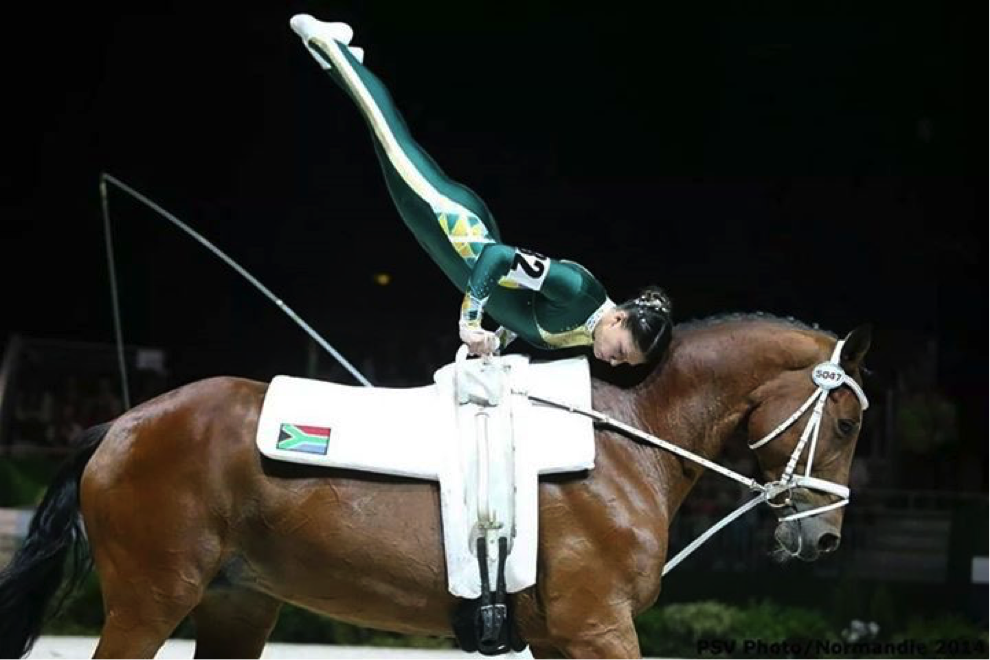
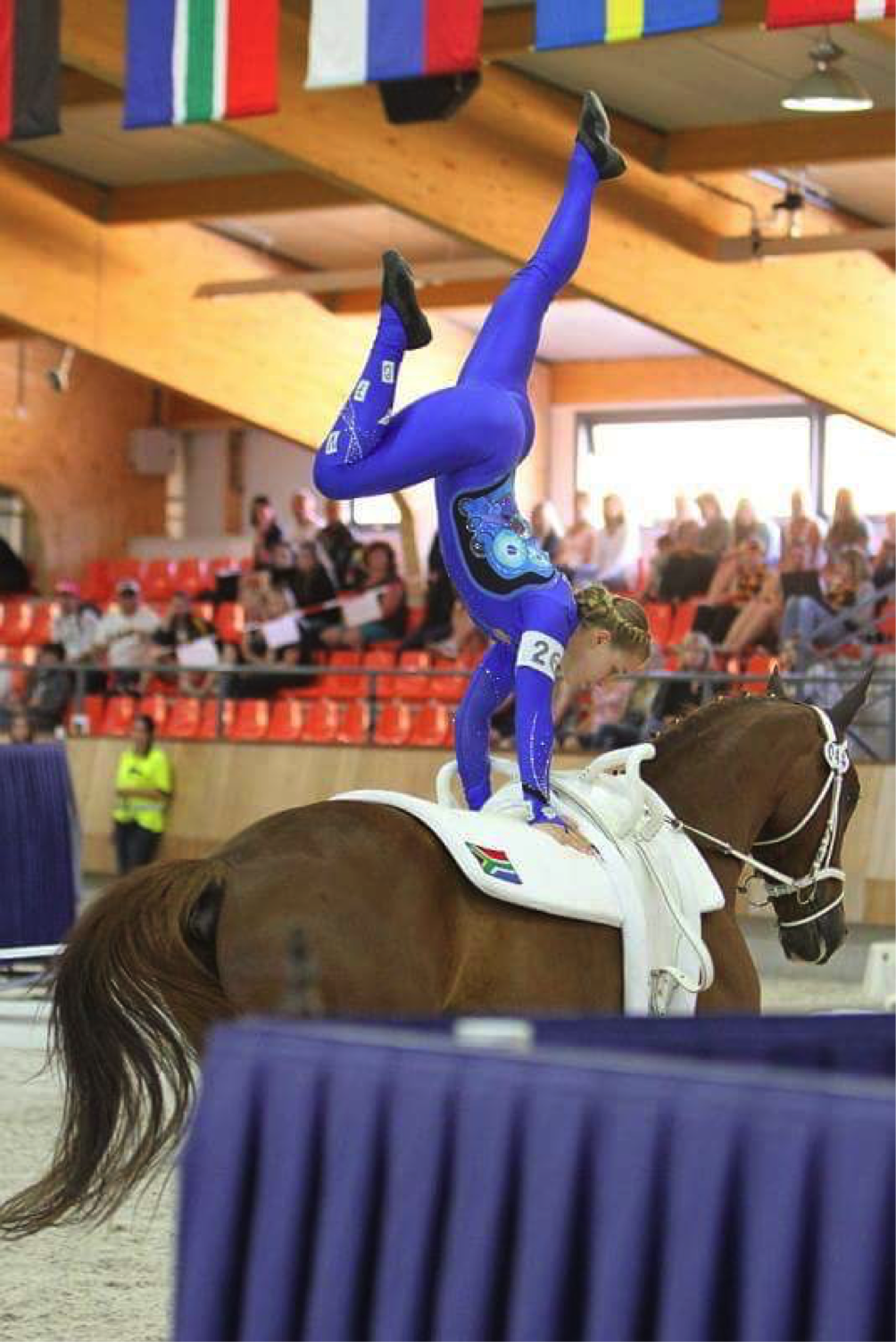
has worked with a wide array of sporting outfits including the South
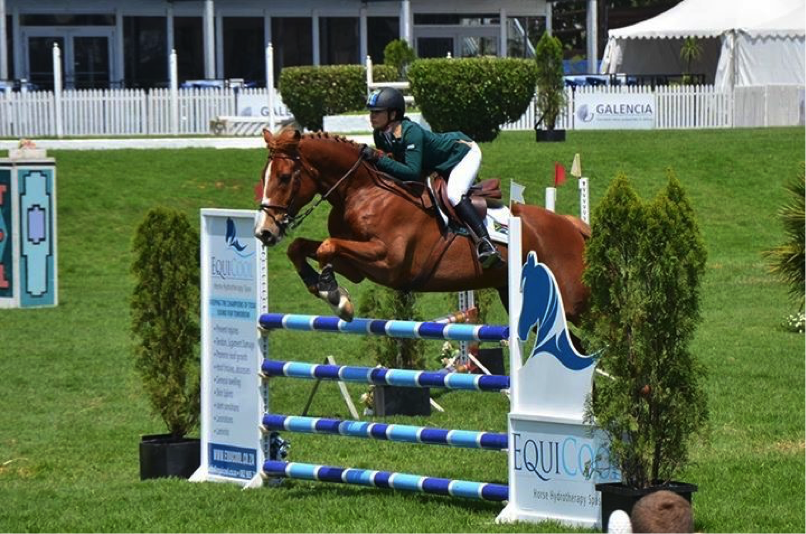
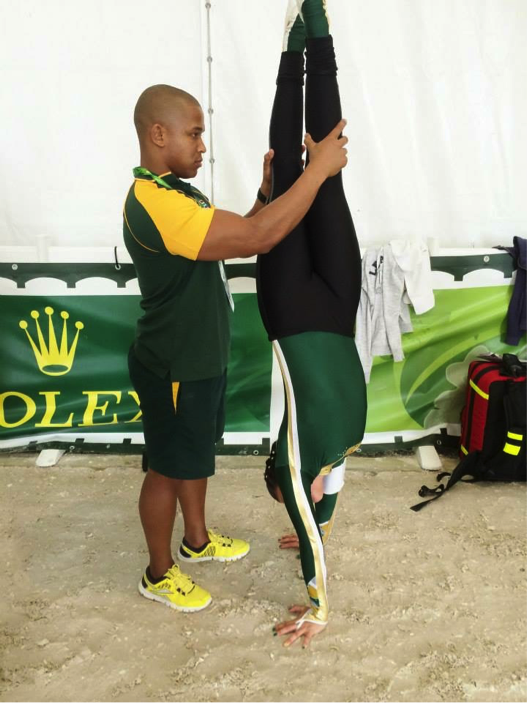
African Ladies Hockey Team (2011), South African Equestrian Vaulting
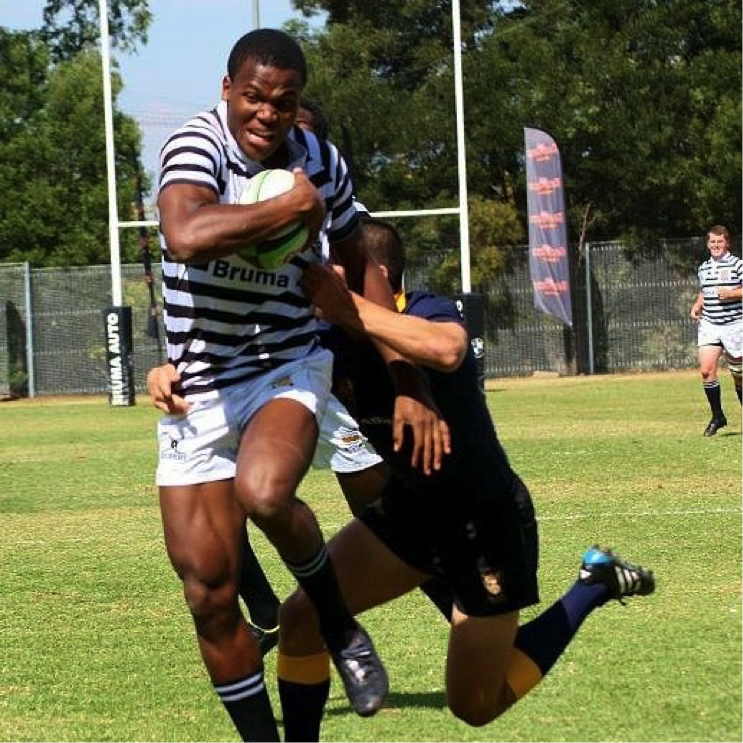
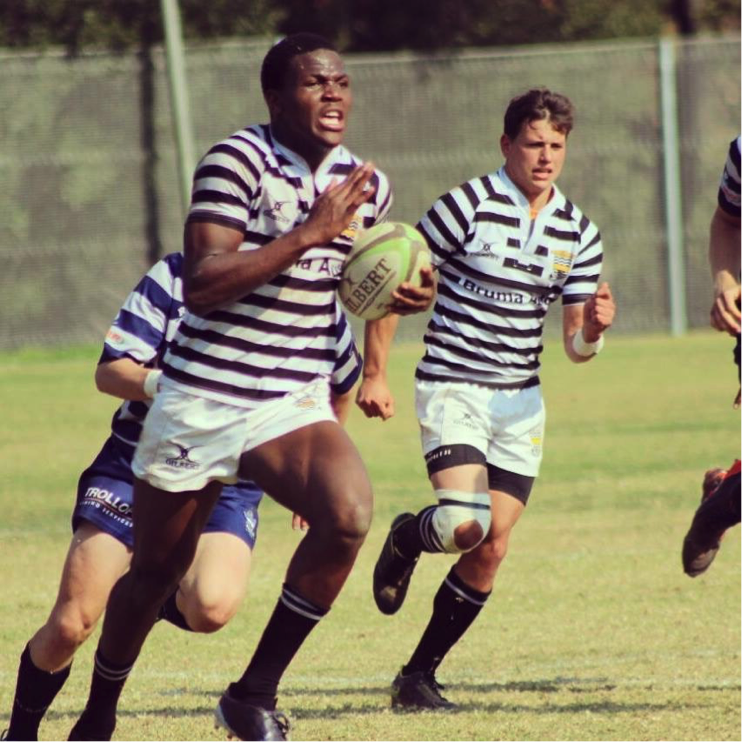
Team (2012-current), Jeppe High School for Boys 1st Team Rugby
(2013-present) & St Stithians College 1st Team Rugby (2012-2016).
© 2017 Floyd Lebatie Physiotherapy. All rights reserved | Crafted by Rev
A Physiotherapist assesses, treats and manages a wide variety of injuries including ailments from the fields of orthopaedics, sports medicine, paediatrics, geriatrics and general rehabilitation. At Floyd Lebatie Physiotherapy our
primary focus is to assist patients in orthopaedic and sports medicine preventative care, rehabilitation and performance enhancement.
Pain Education and Advice
Group Rehab Training
Therapeutic
Exercise
Corrective Exercise
Conditioning
Weightlifting
Joint
Mobilisations
Joint Manipulation
Instalment Assisted Soft Tissue Mobilisation
Muscle
Energy Techniques
Muscle Stretching
Neurodynamic Mobilisations
Massage
Myofascial Release
Specific Soft Tissue Mobilisation
Physiotherapy
Taping
Dry Needling
Biomechanical Assessment and Corrections
Transcutaneous
Electrical Nerve (TENS)
Interferential Current (IFC)
Neuromuscular Electrical Stimulation
(NMES)
Video Analysis
Performance Training
Ankle Conditions (including Ankle Ligament Injuries)
Arm Conditions (including Biceps Brachii Tears)
Arthritis (including Rheumatoid Arthritis and Osteoarthritis)
Back Pain (including Lumbar Disc Prolapse)
Bone Fractures
Bursitis (including Prepatellar Bursitis)
Elbow Conditions (including Tennis Elbow & Golfers elbow)
Foot Conditions (Plantar Fasciitis/ Fasciosis)
Groin Injuries
Hand Conditions (including De Quervain’s Tenosynovitis)
Headaches
Hip Conditions (including Total Hip Replacements)
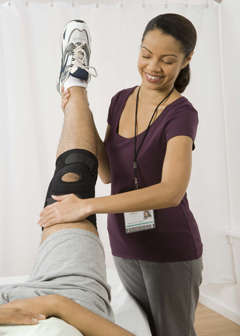
Knee conditions (including Total Knee Replacement, ACL reconstruction, Meniscus Injuries)
Leg Injuries (including Shin Splints aka Medial Tibial Stress Syndromes)
Muscle Injuries (including Hamstring Tears)
Neck Pain (including Cervical Disc Prolapse & Whiplash)
Nerve Injuries (including Sciatica)
Sacroiliac Joint (SIJ) Conditions
Shoulder Conditions (including Rotator Cuff Tears)
Temporomandibular Joint (TMJ) Dysfunction
Thoracic (Upper Back) Conditions (including T4 Syndrome)
Wrist Pain (including Carpal Tunnel Syndrome)
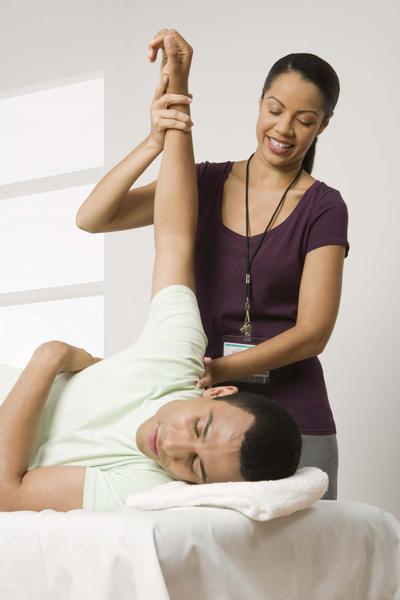
The most important question in physiotherapy is not what treatments you do, but to know when each modality is appropriate, which combination of modalities would work best and to ensure buy in of each patient by a thorough explanation
of the diagnosis and treatments.
© 2017 Floyd Lebatie Physiotherapy. All rights reserved | Crafted by Rev